
For a parking space, driveway or garage apron, the choice often comes down to asphalt or concrete. Both can look tidy and last well, but they behave differently. Asphalt is flexible and gives a continuous dark surface quickly. Concrete is rigid, distributes concentrated loads and creates a light architectural yard. In either case, the base, levels and drainage matter more than the material name alone.
The short answer for a homeowner
Choose according to how the yard will be used, not only the surface price per square metre.
Asphalt
Longer driveways, larger yards and a faster return to use- flexible, continuous surface
- efficient to place over a larger area
- local failures can usually be cut out and repaired
- a bitumen odour is noticeable while hot material is being placed
Concrete
Garage aprons, parking bays, vans, trailers and other concentrated loads- the rigid slab carries and distributes load
- light, clean and architecturally neutral finish
- no hot-bitumen odour
- needs correct joints, reinforcement and curing time
How the structures differ
Concrete is a rigid pavement: a correctly designed slab is itself the dominant load-carrying component. That is useful where a vehicle repeatedly parks or turns in one position, or where a van, camper, trailer or delivery vehicle enters the yard.
Asphalt is a flexible pavement. It tolerates small deformation and creates a smooth continuous surface, but it relies much more heavily on the bearing capacity of the sand and aggregate layers below. Saying one material is always stronger is therefore too simple; the complete build-up must be compared.
Loads, heat and steering in place
A properly reinforced concrete yard is usually the safer choice for concentrated and long-duration loads. On hot days, asphalt can be vulnerable to heavy plant standing in one place or tyres turning while stationary; an under-designed or poorly compacted surface may indent or shove.
Quality asphalt is entirely suitable for normal passenger cars. If trucks or heavy vans regularly enter the yard, the pavement thickness must increase or concrete should be considered in the highest-load areas.
Will asphalt keep smelling?
Vapours and fumes are generated while hot asphalt is produced and applied, so a bitumen odour is genuinely noticeable on paving day. This is a short construction-stage inconvenience, not the normal permanent condition after the pavement has cooled. A cooled yard that continues to smell strongly should not simply be accepted as inevitable.
Concrete has no hot-bitumen odour, but it needs a longer curing and protection period before vehicles can use it safely.
In Latvia, the base and drainage decide the result
Moisture and repeated freeze-thaw cycles can damage either surface when water remains in the structure. The work needs a bearing base compacted in layers, falls away from the house, channels or a safe discharge area, and supported edges.
If peat, clay, loose fill or a wet pocket remains below a perfect-looking surface, both asphalt and concrete can crack or settle. Compare a complete estimate rather than only the cost of the top layer.
Maintenance and appearance
Asphalt is dark, visually calm and efficient for larger areas. Small failures can be cut out, filled and compacted, although the patch will remain visible. Edges need support and cracks should be sealed before water enters.
Concrete is lighter, absorbs less solar heat and can look architecturally clean. Control joints must be planned to manage shrinkage cracking. Local repairs are possible, but differences in colour and texture are often visible.
A combined home yard can be the best answer
A long access can be asphalt, with reinforced concrete at the garage, bin area or heavy-vehicle parking point. Asphalt then provides an efficient continuous surface while concrete works where loading is highest.
Prepare two comparable options with the same earthworks, base, kerbs and drainage. Only then is the price difference a fair comparison.
A simple selection checklist
Asphalt is often logical for a long driveway and larger yard when programme matters. Concrete is often logical for a compact parking bay, a light rigid finish or higher concentrated loading.
- mark the yard dimensions and where vehicles will park or turn
- state whether only cars or also vans and trucks will enter
- photograph the soil, puddles, slopes, gate and garage threshold
- compare both options with the same base, edging and drainage
What BIMARKS and Betonblock offer
BIMARKS delivers both full-cycle asphalt paving and concrete yards, slabs and structures. Together with Betonblock, we can coordinate concrete production and supply, pump, crew, placement and finishing; for asphalt, BIMARKS coordinates the base, material logistics, paving and compaction.
The design therefore does not need to be forced toward one material. We can review the location, loads and desired appearance, compare concrete and asphalt, and quote the technically and economically justified solution for that yard.
How both surfaces look beside a home
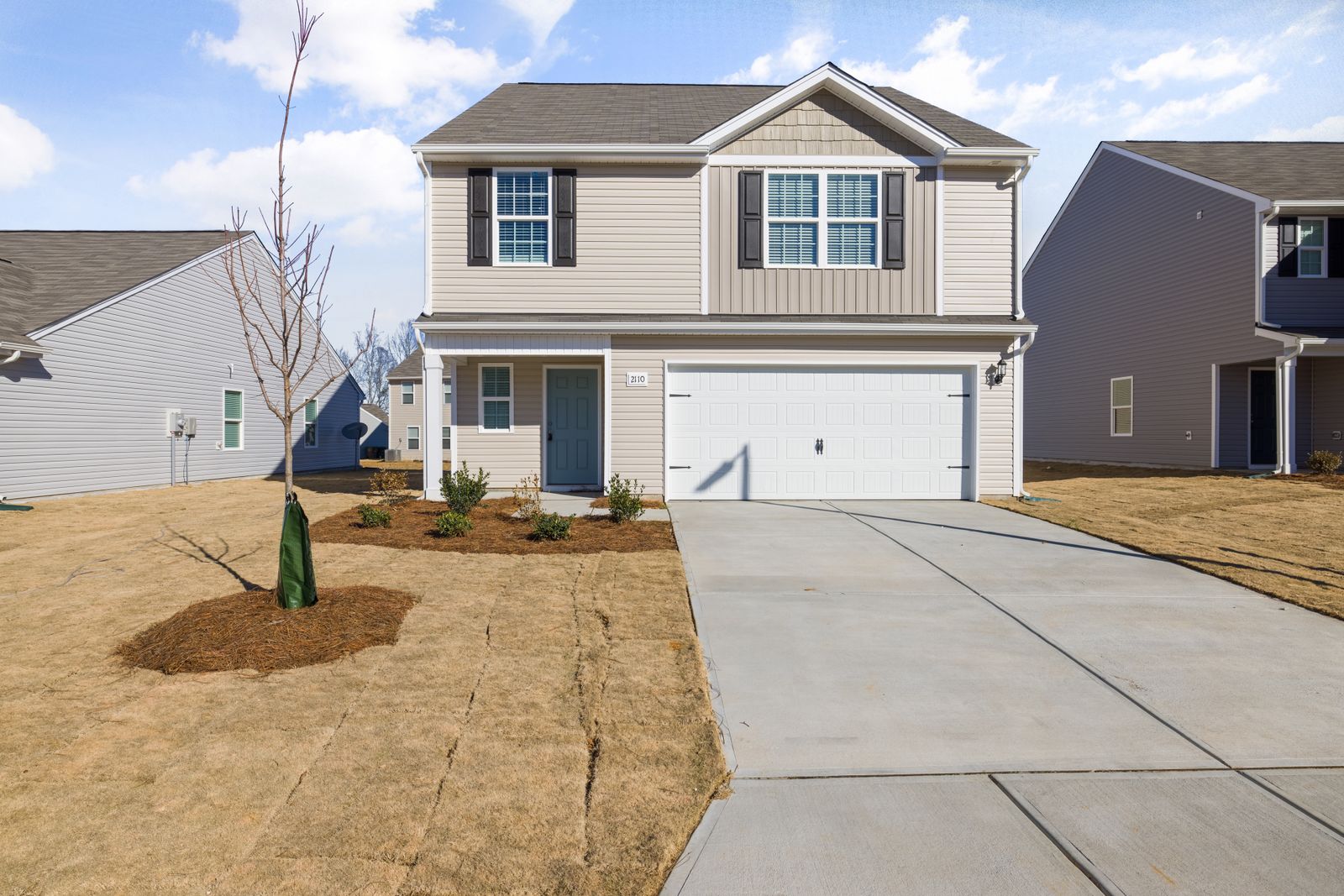
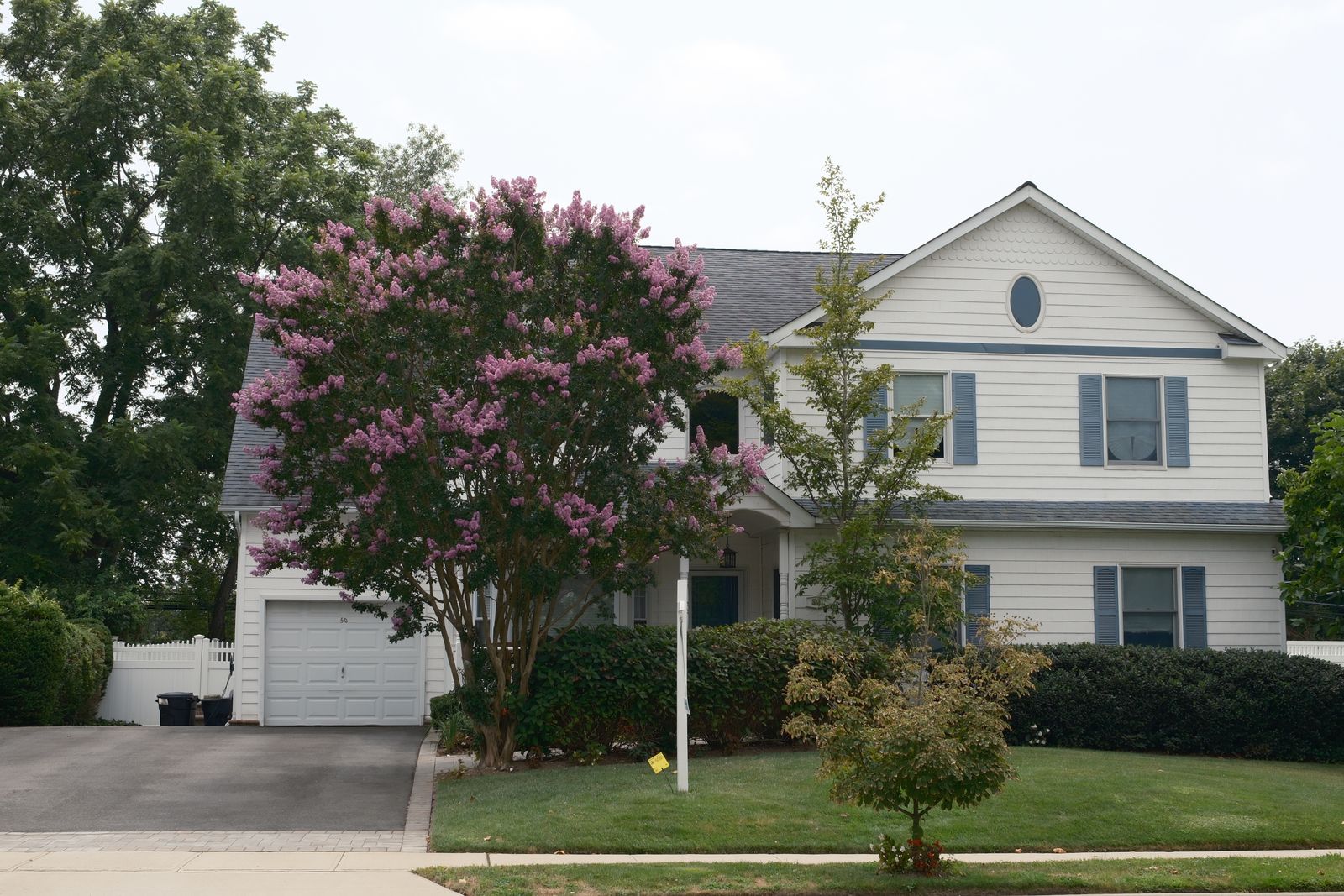
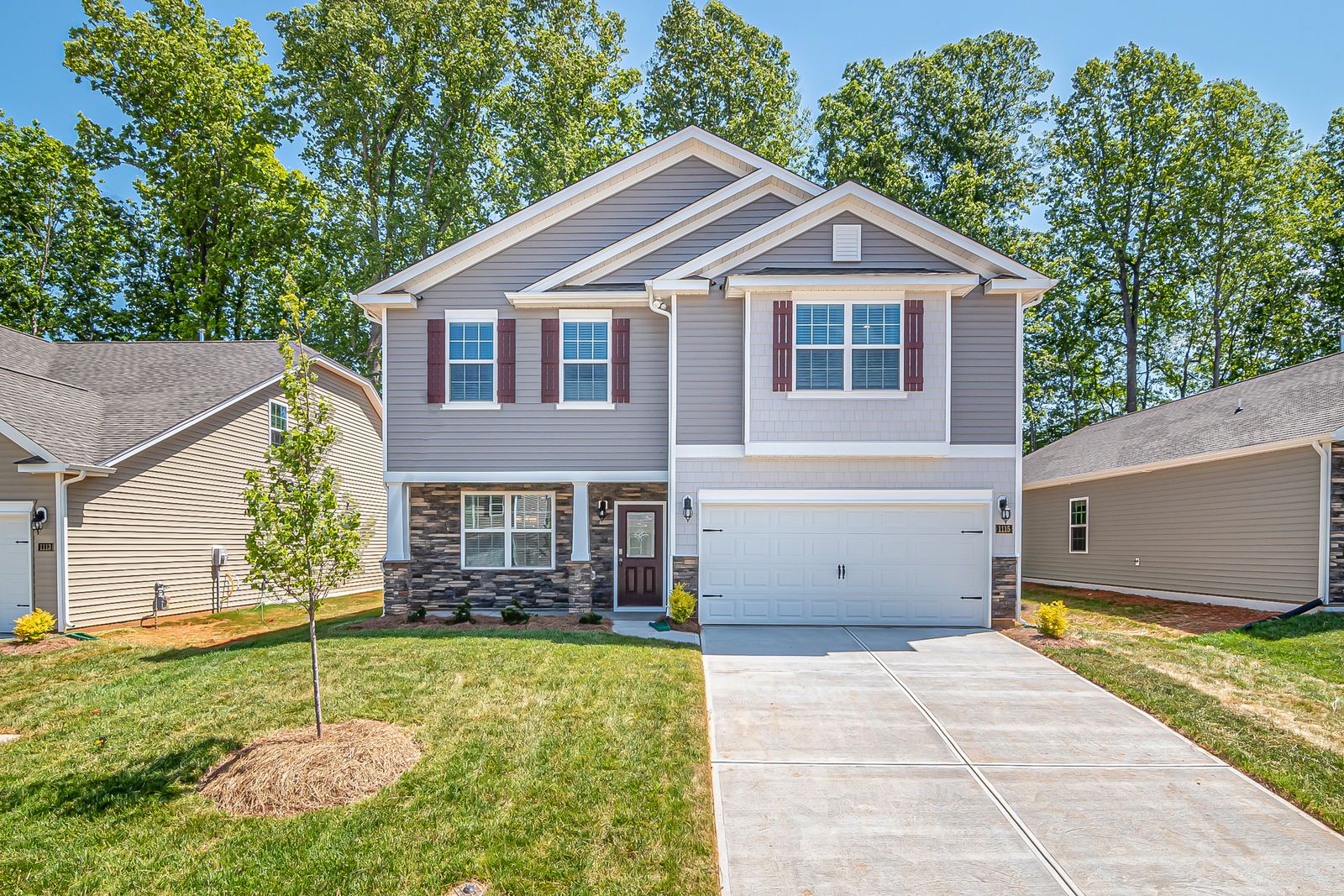
Illustrative photo sources: Curtis Adams / Pexels · Mingyang Liu / Pexels · Curtis Adams / Pexels
Technical sources
BIMARKS
Compare both options for your project
Open the concrete or asphalt calculator, enter approximate quantities and then send BIMARKS the details for a project quotation.